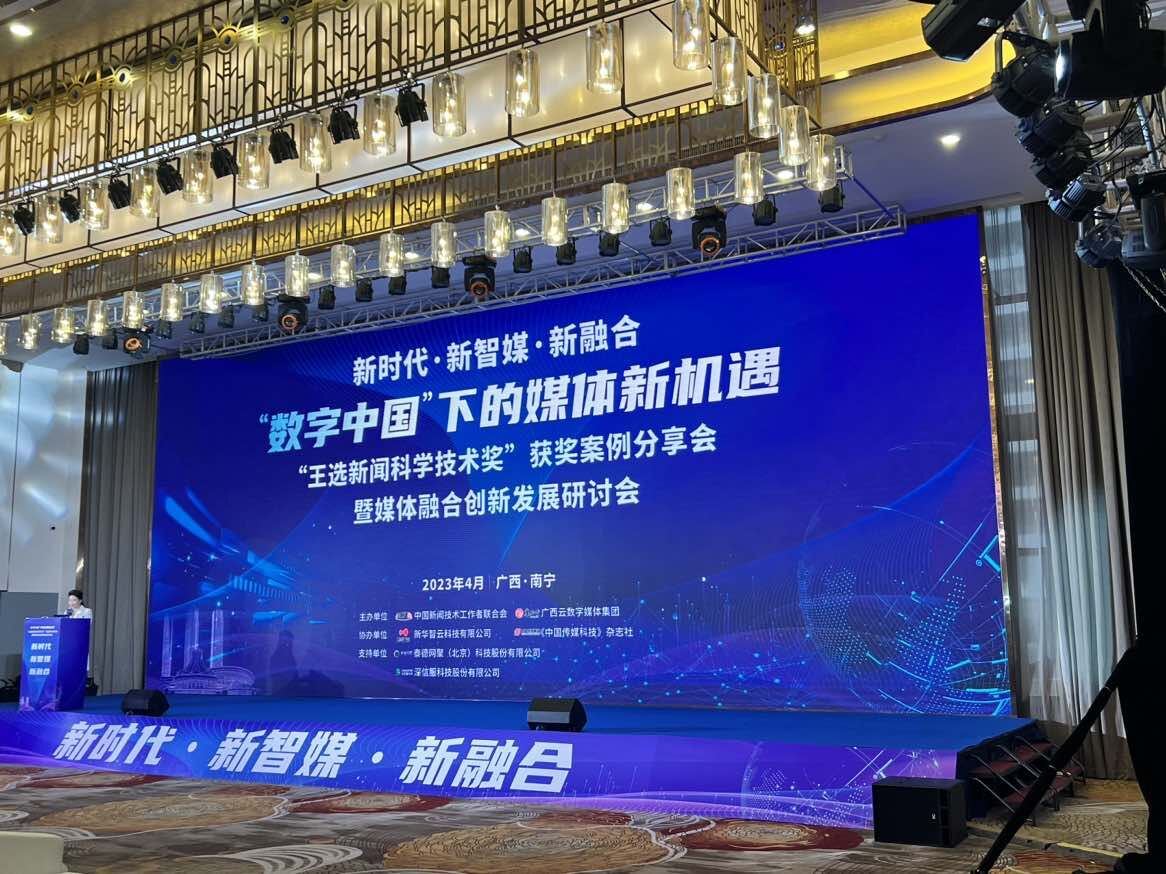
The Wang Xuan Award case-sharing session and seminar on innovation in media convergence, on the theme of new media opportunities in a Digital China, was held in Nanning, Guangxi, from April 12 to 14, 2023.
The Wang Xuan News Science and Technology Award, approved by the National Office for Science and Technology Awards, is the only cross-media science and technology award in Chinese journalism and the highest of its kind in the news media industry. Under the new plan for a Digital China, how to accelerate deep media convergence — building a mainstream opinion landscape that unites online and offline, domestic and international communication, and an all-media communication system founded on content, supported by advanced technology and underpinned by innovative management — is a major strategic question for mainstream media.
The event was hosted by the China Association of News Technology Workers and Guangxi Cloud Digital Media Group. The seminar invited representatives of Wang Xuan Award winners, industry experts and media from across China to share and discuss frontier technologies, forms of convergence and operating models, exploring the patterns of media development and encouraging mainstream media to put more weight on technology, apply innovation more strongly and raise their voice and influence.
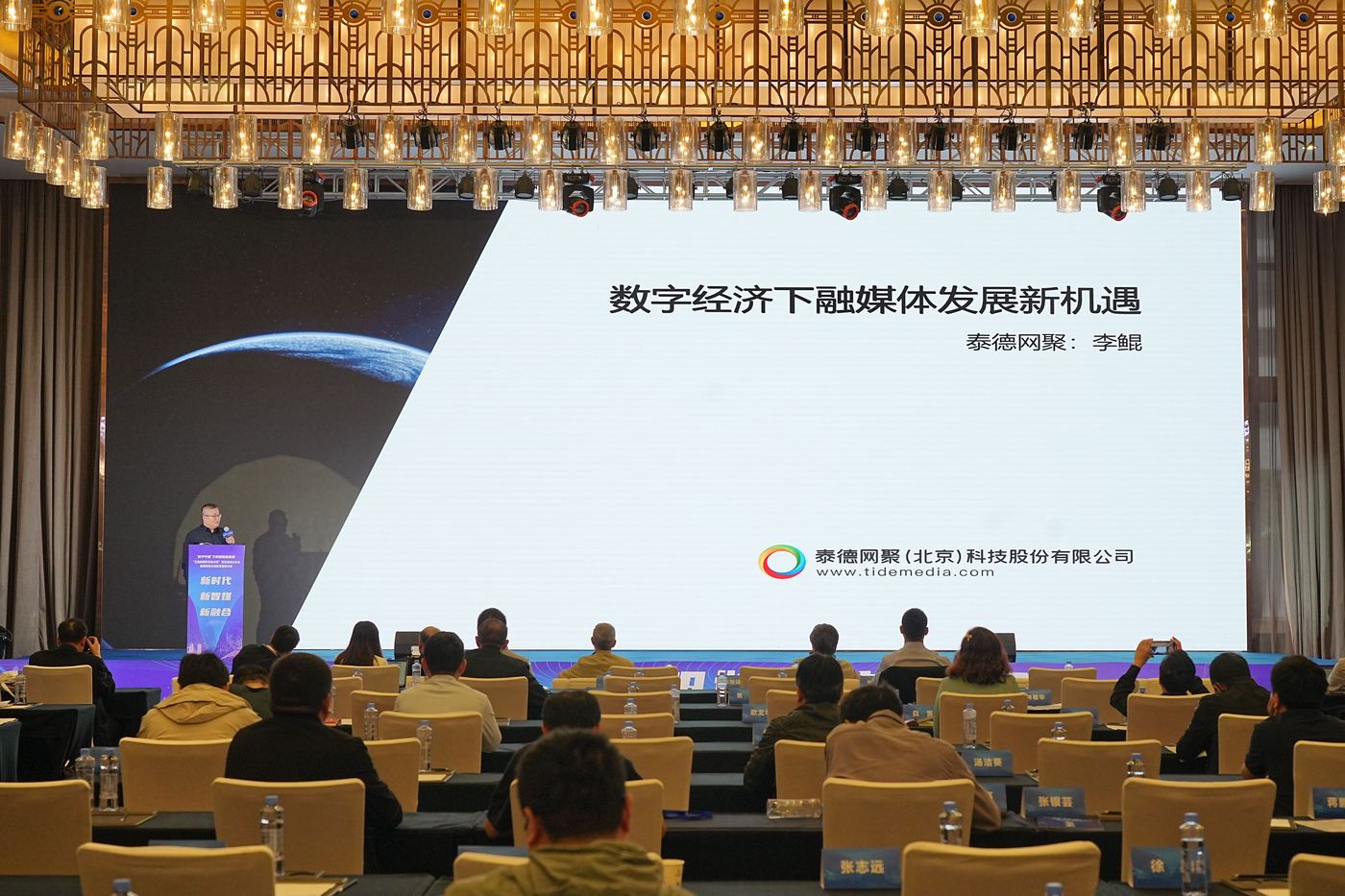
Li Kun, chairman of tsan.ai, was invited to attend and gave a talk on "New Opportunities for Media Convergence in the Digital Economy", focusing on how the technology, forms and capabilities of media convergence can serve more fields in today's digital economy.
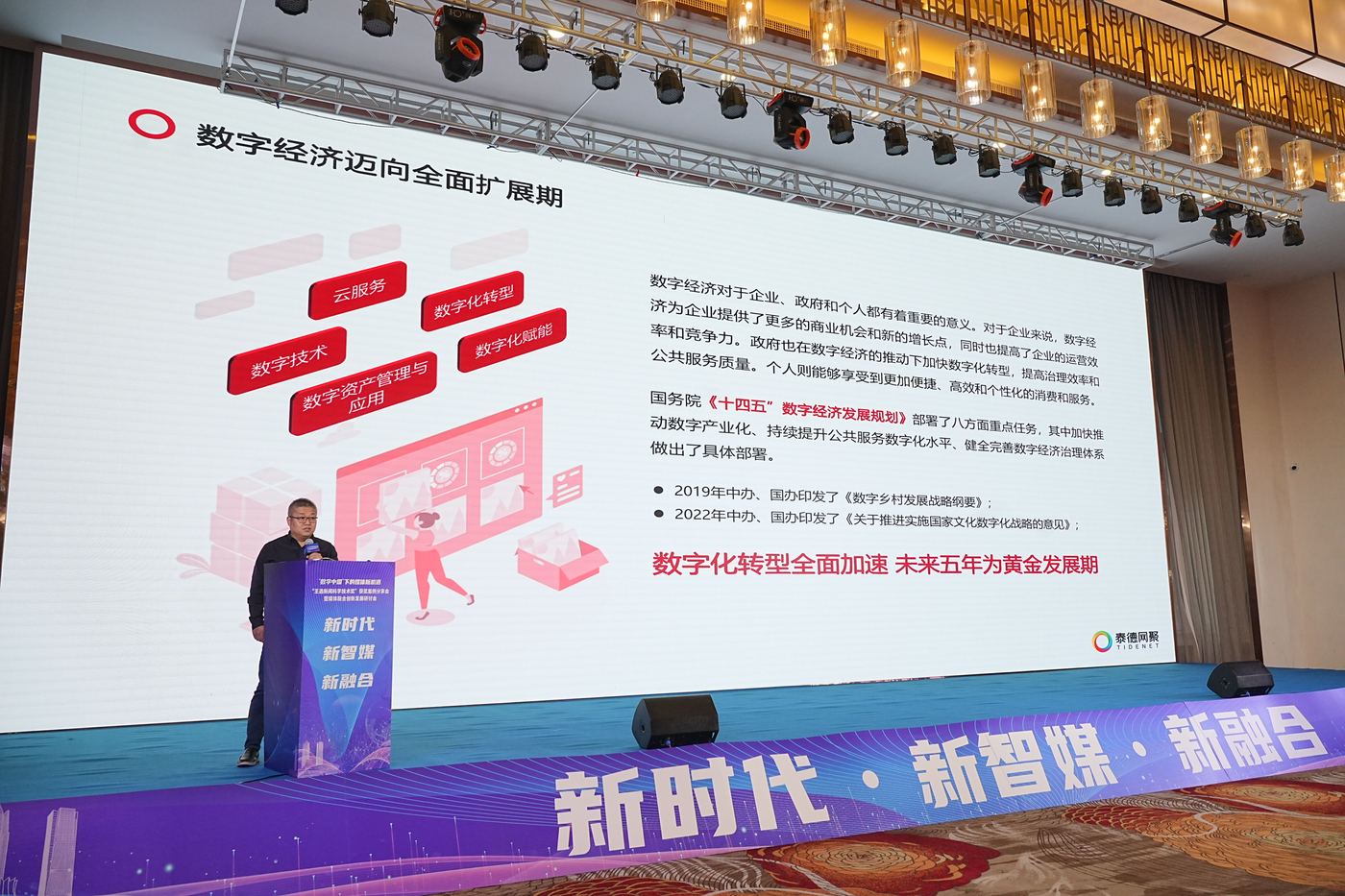
He noted that digital transformation is accelerating across the board and the next five years will be a golden period. As a typical application of media digitalization, converged media has become one of the main trends in modern media. Its diverse content, cross-platform distribution, strong interactivity and data-driven management let it meet users' needs better and serve them more efficiently.
He stressed four core capabilities that regional media cloud platforms need for their transformation. First, a low-code development platform that meets the individual needs of digital applications quickly, keeps lowering R&D costs and supports long-term operations. Second, intelligent business applications that add AI on top of low-code to strengthen the analysis, processing and reasoning over unstructured and structured data. Third, hybrid cloud integration that combines public and private clouds and tenant nodes for hybrid computing, distributed storage and central scheduling across center and edge. Fourth, SaaS cloud services that serve customers on a tenant basis, with billing, unified product delivery, tenant licensing and other SaaS logic.
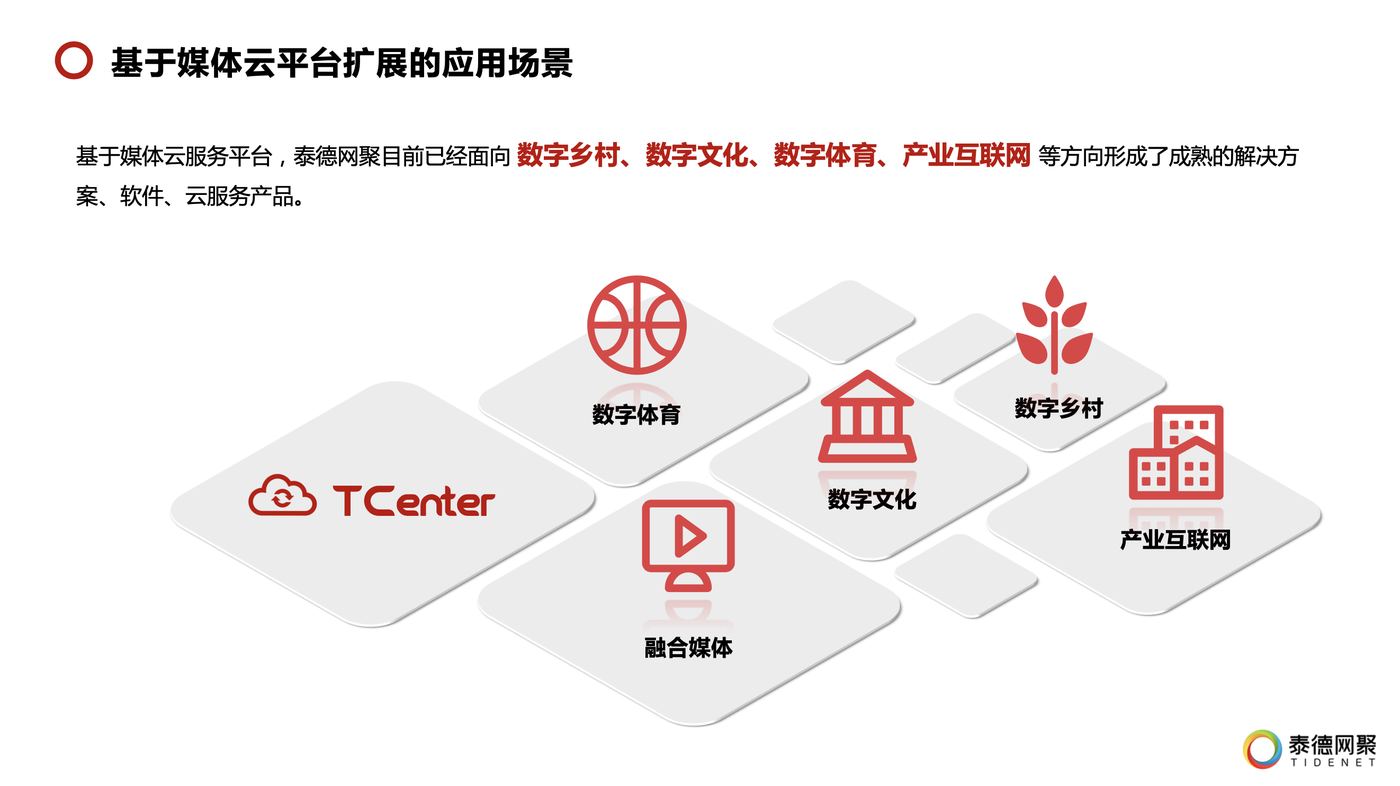
He explained that tsan.ai's low-code development platform supports shared and co-built code. Built on SaaS front-end services, SaaS middle-platform services and a lightweight E-PaaS capability platform, it can build front-end applications quickly, restructure system capabilities and create a more resilient operating environment. Drawing on its core technology and products, extensive business practice and trends in digital applications in China, tsan.ai has built a business system that combines public cloud services with private clouds (provincial and group platforms) to reach end users. It has grown from serving converged media at every level to serving villages through digital village programmes and cultural institutions through digital culture.
tsan.ai will use the conference as an opportunity to strengthen technical exchange with industry peers, bring low-code technology and the digital transformation of media convergence closer together, and help take the digital transformation of China's media convergence to a new level.